
What Brands Seek in Sponsorships
When advertisers look at potential sponsorships, they consider more than just download numbers. They want numbers that translate into an engaged audience. Brand managers look for podcasts that align not only with their values, but also with the podcasts’ intended audience and customers.
Demographics and topics need to match. Because podcast listeners tend to trust hosts more than other forms of advertising, Authenticity is critical. Major podcast analytics companies invest in the research to understand the impact of host-read podcasts ads. Brand integrations done sincerely create engagement and loyalty unlike anything produced in a traditional commercial.
Generally, sponsors want shows with engaged and loyal communities, clear audience metrics of the demographics and listen-through rates, and aligned brand content. Pods with these factors in their proposals are likely to secure sponsorship the quickest.
How Successful Podcasters Get Sponsorships
Successful podcasters know how to obtain big brand sponsorships by applying a combination of audience engagement and professional outreach strategies. These brand equity builders and sponsor converters track OBP (owned broadcast property) metrics. In the sponsorship pitch, creators base their inquiries on the analytics drop-off and engagement rates.
To attract brands, they build a pitch document that contains a medical kit elaborating on the sponsorship opportunities substantiated by monthly downloads, audience age, audience segmentation, and social listening metrics. Podcasters chase brands that enable their marginal brands to extend social and complimentary reach.
The tailored brand fit vs. target audience overlap approach applies sponsorship proposal framing to include brand selling points (e.g. young urban fitness enthusiasts, young urban fitness enthusiasts, fitness enthusiasts, fitness, etc.) sponsorship request and proposal aligns with brand equity values in their audience testimonials.

Podcasters effectively build brand sponsorship trust by sponsorship testimonials that provide a concrete “last mile” proof to prospects. A “we only sponsor what we use” equity tone builds trust.
How do Podcasters Get Sponsors?
Podcasters know how to get big brand sponsorships by audience engagement and outreach strategies. Successful brand equity builders and converters sponsors pivot to track OBP (owned broadcast property) metrics. In the sponsorship pitch, analytics drop-off and engagement rates serve as pillars base of the request.Podcasters build a pitch document that contains a medial kit elaborating on the sponsorship opportunities substantiated by monthly downloads, audience age, audience segmentation, and social listening metrics. Podcasters chase brands that enable their marginal brands to extend social and complimentary reach.
The tailored brand fit vs. target audience overlap approach applies sponsorship proposal framing to include brand selling points (e.g. young urban fitness enthusiasts, fitness, etc.) sponsorship request and proposal aligns with brand equity values in their audience testimonials.
Podcasters effectively build brand sponsorship trust by sponsorship testimonials that provide a concrete “last mile” proof to prospects. A “we only sponsor what we use” equity tone builds trust.
To sum it up, the most effective approach pairs great content with strategic promotion: maintain engaging and regular episodes (this builds a loyal audience), and when looking for sponsors, take a data-driven and professional stance.
This gives sponsors confidence that their advertisements target the right audience and will produce tangible outcomes.

High-Profile Podcast Brand Partnerships
When podcasts become popular, they often establish ostentatious partnerships. In 2021, for instance, Alex Cooper of Call Her Daddy Podcast signed an exclusive deal with Spotify for $60 million,
later extending it to $125 million with SiriusXM. Around that same period, Joe Rogan’s podcast The Joe Rogan Experience became exclusive to SpotifyFor the shows that have become popular, sponsorships alone can bring in hundreds of thousands of dollars in revenue for the host in a single episode. Joe Rogan, with 20 million downloads per episode, is estimated to make between $480k-$720k for sponsorship per episode, meaning up to millions for the episode in total. Even without those blockbuster deals, many well-known shows enjoy lucrative brand ties. For instance, tech companies and

direct-to-consumer brands are ubiquitous podcast backers: by late 2025 Squarespace had sponsored nearly 6,000 episodes across 413 different podcasts making it clear that brands sponsor entire networks. Streaming platforms, dating apps like Bumble, and wellness brands that sponsor host-read ads on best performing podcasts like BetterHelp, Amazon, and HelloFresh are also significant sponsors. The examples point to the fact that once a show builds an audience and sponsors have aligned value, big deals come.
One well-known example is when MailChimp sponsored the original Serial podcast. The unusual 30-second ad read by the host became a viral sensation. MailChimp showed how one sponsor can prosper. Nowadays, the biggest podcasters frequently establish brand partnership contracts. For instance, productivity and marketing podcasts often mention MailerLite and Asana, and comedy and entertainment podcasts receive sponsorships from subscription boxes and other consumable goods. The brand deals transform podcast episodes into delightful branded content. Research backs this trend. Collaborative audio content not only connects with target listeners, but also improves their memory and attention. One study noted branded podcasts boosted brand recall by 12% and engagement by 16% compared with traditional ads. In other words, a well-crafted sponsor message can be a lot more effective and much more appealing to brands than a typical commercial break, especially when positioned within a popular show.
Industry Trends Fueling Growth
All trends indicate an increase in costs aimed at podcasts. During 2023, the U.S. podcast ad market experienced a 26% increase year-on-year during Q3, showing the highest ad invested growth since 2023. Emarketer.com. 2023 ad growth was aided by approximately 1,700 brands advertising on podcasts for the first time. Podcasts are the new frontier for marketer ad spending, with over 50% of spend directed at brand recall oriented campaigns Emarketer.com.
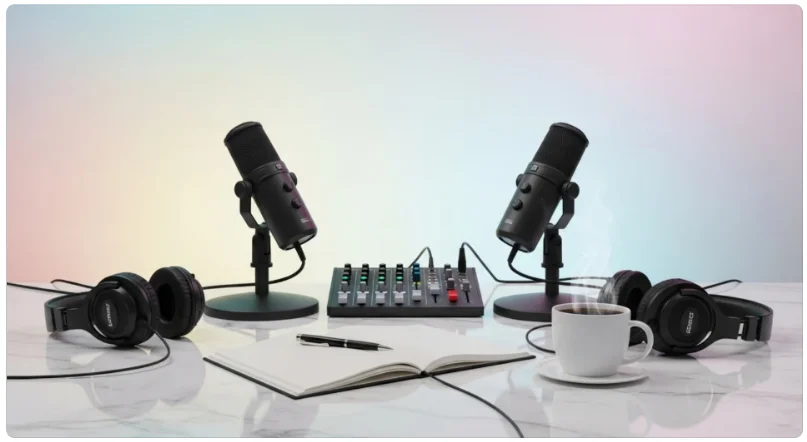
Podcasts offer unique opportunities for building brands, thanks to their loyal audience and “context-rich storytelling” Emarketer.com. Grandviewresearch.com. As with all platforms, innovation drives ad spend and ROI. Advertisers with analytics driven by AI to identify risks associated with podcast ads, can offer advertisers targeted ads with impressive returns. As noted in the 2024 Quill and Ipsos survey, podcast advertising budgets are the most flexible of all channels, with 64% of brands saying they will increase. Between the improvement in podcast advertising ROI and audience growth, podcasts are becoming a substantial outlet for brands and advertisers. Grandviewresearch.com. Emarketer.com.
Advice for New Podcasters
No matter if your downloads are 500 or 50,000, there are ways to start grabbing the attention of potential sponsors. Try following some of these methods.
- Construct and show your niche audience. Create concentrated and top-notch material so that your audience remains engaged. Remember to monitor your show’s metrics, and include analytics (downloads, completion rates, audience range, etc.) which you can include in your media kit.
- Prove you are aware of your audience and that they participate actively. This is the first step to persuading a company.
- Reach out to appropriate sponsors. Don’t sit back and wait for potential sponsors to come to you. Look for businesses whose goods match your themes and audience, then write a customized pitch. One podcaster said she got a sponsor by episode 7 by contacting the brands she used and loved.
- State clearly how your show will connect the sponsor to their audience and include easily understandable sponsorship ideas (e.g. a mid-roll ad along with some social media posts). This will simplify the process for you and the potential sponsor.
- Stay authentic and balanced. Partner only with brands that will be beneficial to your audience. To maintain trust, limit your audience’s ad exposure as experts recommend only 5% of an episode’s runtime. Quoting Riverside.com, “Too many interruptions can drive listeners away.” Therefore, if possible, create seamless, natural-sounding host-read ads. Ad placements should be audience-first. This will satisfy sponsors as well – listeners will still be paying attention to your content.
- Strategically grow your show. More episodes, coupled with more listeners, will provide a larger sponsorship inventory. For this reason, you may want to create “bonus” content or shorter episodes that will offer you ad placements for sale. Riverside.com advises, “market your podcast via social media and guest appearances on other podcasts.” Ensuring your show is well promoted will raise your sponsorship rates.
- Be persistent and patient. Brand deals will arrive only after many proposals regardless of how long it takes. Continue to refine your show and proposals as you go. The first sponsor will often lead to additional sponsorship. Track your ads, and report the performance back to the sponsor. Riverside.com explains that doing this will demonstrate the results and will make it easier to upsell, renew, or extend the sponsorship
Even new podcasters can begin earning sponsorship revenue by paying attention to these tips as well as alignment, quality, and data. Brands seek value. If you can prove that your engaged audience can help a sponsor achieve their goals, you will become a partner and land great sponsorship deals.
All these strategies capitalize on the advertising potential of podcasts and the distinctive confidence that listeners have in the medium. The growth of podcasts is unlikely to stop so these top creators can continue to transform their community into highly sought-after brand collaborations.